 mybusyness
What is a virtual collar?
Your company has two layers of workers today: white collar and blue collar. The virtual collar is the third — the digital worker layer that takes on a department’s recurring desk work. It does not replace people; it puts work that is ready for a decision in front of them.

White collar
The person who decides, plans and signs. Authority and responsibility stay with them.
Blue collar
The person who produces, ships and runs the work on site. Physical work is in their hands.
Virtual Collar
The digital worker layer that takes on a department’s recurring desk work. Prepares, calculates, files — and leaves the decision to people.
Why is a third collar needed?
White collar exists to decide, blue collar to produce. The recurring desk work in between eats into both their time and piles up because headcount does not grow.

Desk work grows, headcount does not
Entering invoices, checking VAT, comparing quotes, reading contracts — all of it repeats every month and all of it takes time. When the load grows, a small business usually cannot hire more staff.
Knowledge stays in one person’s head
When the accountant goes on leave, due-date tracking stops; when the HR lead leaves, the personnel files fall into disorder. The virtual collar does the same work by the same rule; the company’s memory does not depend on one person.
Mistakes are expensive and hard to undo
Wrong VAT, missed due dates, missing filings mean money and penalties straight away. Because code does the calculations, the virtual collar’s output is produced by the same rule every time.
How does it work?
Three steps, the same every time: you give the job, your virtual collar prepares it, the owning department finalizes it.
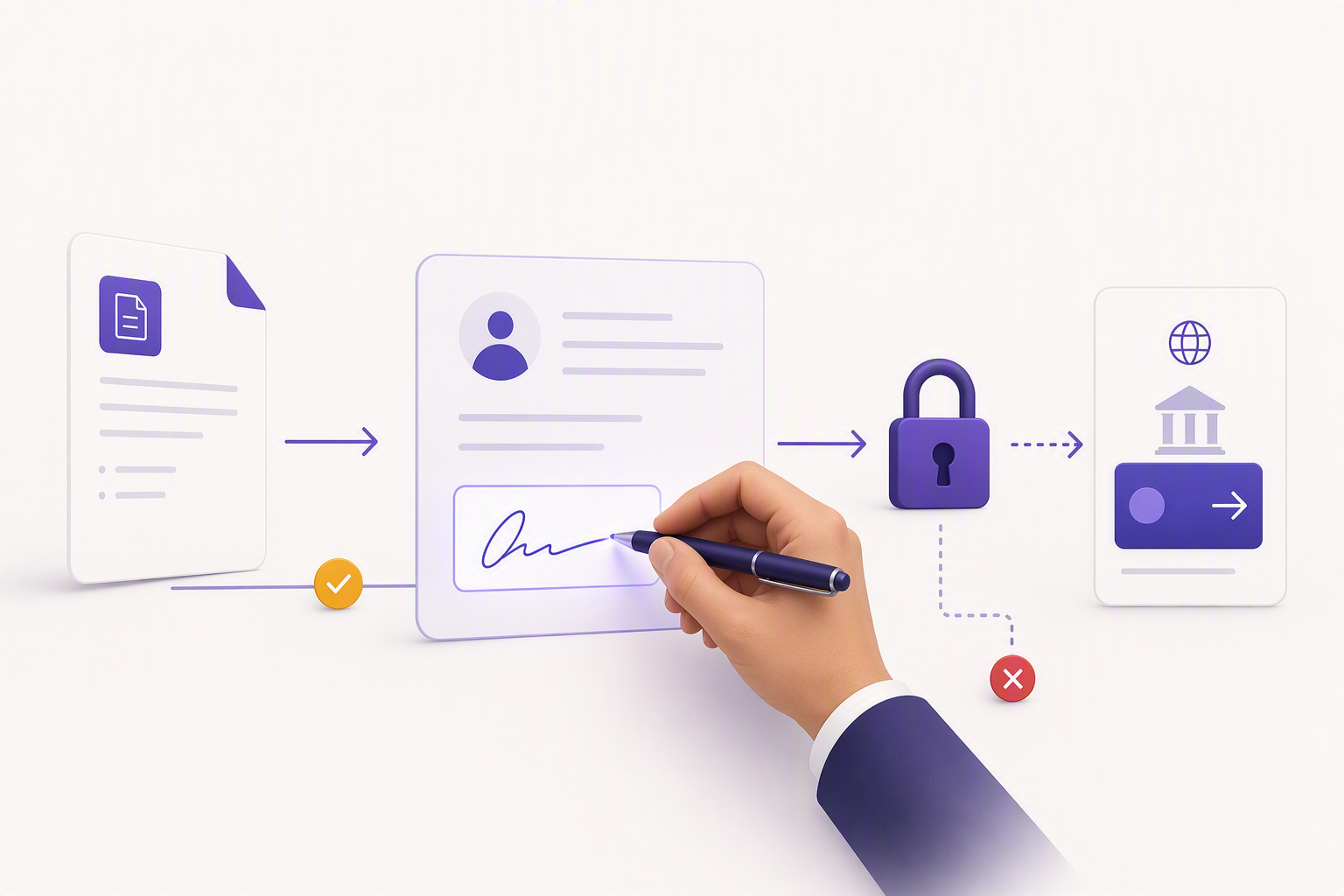
You describe the job
You write in your own words: «Prepare the November invoice for this customer» or «Draw up this month’s payment reminders». You can drop a file too.
Your virtual collar prepares
The virtual collar of the department concerned takes on the job, runs the steps, calculates amounts and dates in code and delivers the result as a record.
The owning department finalizes
The record goes to the department that owns the work for review. Invoices are finalized in Accounting, HR documents in Human Resources, legal work with the lawyer. The decision stays with people.
Where are the limits?
The limits are not marketing lines but locks defined in code. What it cannot do is as clear as what it can.
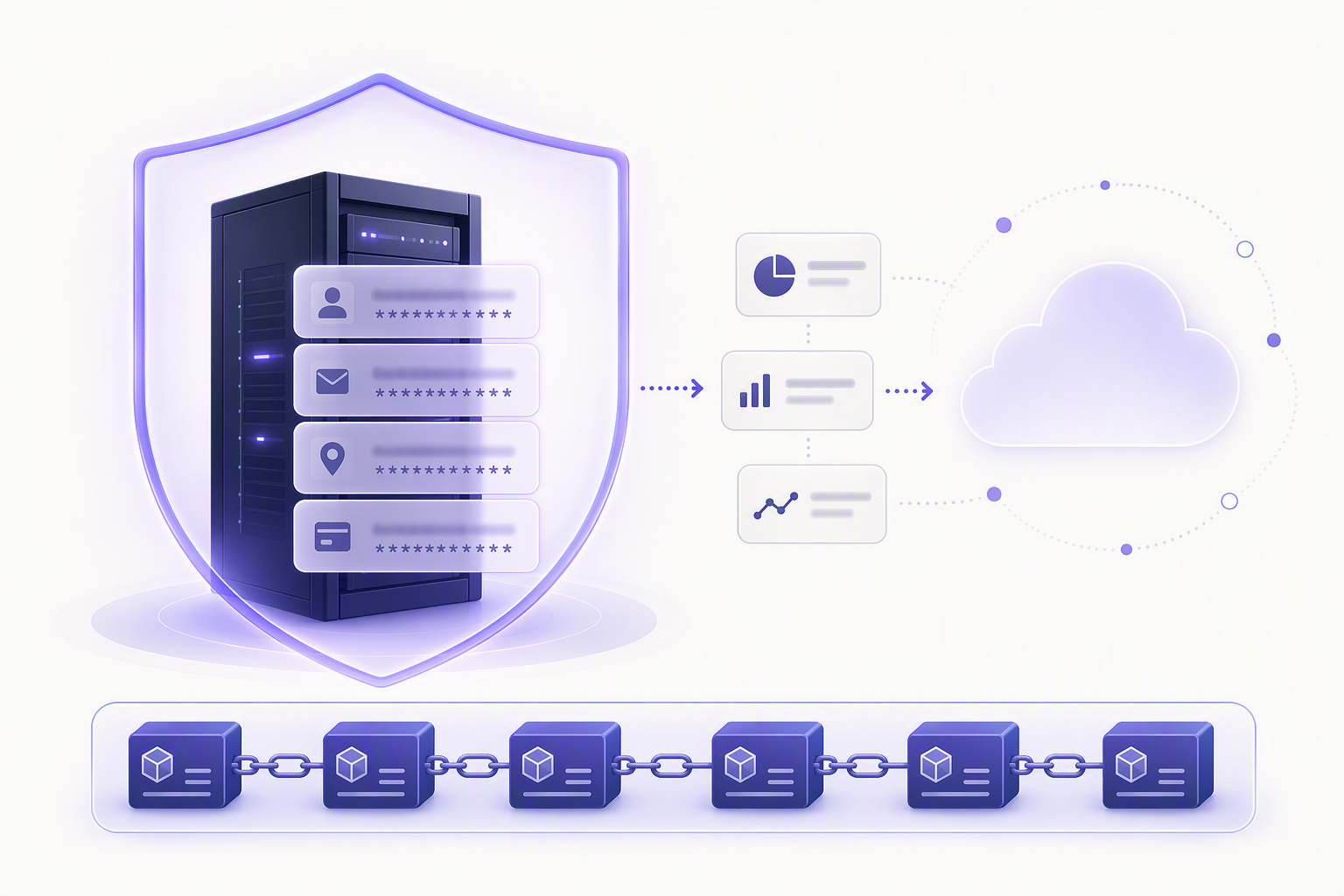
Money movement is closed
Transfers, payments and tax filing submission are locked away from virtual collars at code level. Not even a company setting can loosen this lock; the virtual collar does the preparation, an authorised person carries out the transaction.
Legal work is finalized by the lawyer
Legal AI flags risky clauses and suggests redlines. Legal output is not final and cannot be exported until an authorised lawyer approves it.
Data stays at the company boundary
COPAI masks identity and financial details before they reach an external model; sensitive content goes only to an in-house model, and secrets are sent to no model at all.
Every step is on record
Every virtual collar job, model call, masking step and finalizing decision is written with chained hashes. It can be shown mathematically that no entry was changed afterwards.
White collar, blue collar and now virtual collar. All three work together in the same company: the virtual collar prepares, white collar decides, blue collar runs the work on site.
Reading about it is one thing, seeing it work is another
No card details needed. The first 3 days are free. Nothing is deleted even when the trial ends: only starting new jobs stops, and your documents and audit trail stay as they are.